Selangor is Malaysia's largest property market by transaction volume, its richest state by GDP, and the engine room of the Klang Valley. If you are buying a family home, a first apartment, or an investment unit anywhere in the country, the chances are high that Selangor is on your shortlist. In 2026 the state offers something for almost every buyer: liveable family suburbs in Shah Alam, premium addresses in Subang and Ara Damansara, deep-value port-city stock in Klang, and a fast-maturing tech-and-government corridor running through Cyberjaya, Putrajaya and Sepang.
This guide walks you through what is actually happening on the ground in 2026 — where prices sit, what is moving them, how the MRT3 Circle Line is reshaping demand, and the Bumiputera and state-consent rules that catch out-of-state and foreign buyers off guard. Whether you are a local upgrader, a young professional, a landlord, or a foreign investor, you will leave knowing which corner of Selangor fits your budget and your goals.
Selangor Property Market Overview 2026
Selangor consistently accounts for the largest slice of national residential transactions — typically in the region of a fifth to a quarter of all property deals in Malaysia by value, according to data published by the National Property Information Centre (NAPIC) under the Valuation and Property Services Department (JPPH). The sheer scale matters to you as a buyer: it means liquidity. Selangor stock is generally easier to resell, easier to rent, and easier to value than property in thinner markets, because there is a constant flow of comparable transactions for banks and valuers to reference.
Heading into 2026, the broad picture is one of measured recovery rather than a boom. The Malaysian House Price Index (MHPI) tracked by NAPIC has been posting low-single-digit annual growth nationally, and Selangor's index has broadly mirrored that — modest, sustainable appreciation rather than the double-digit surges of the early-2010s cycle. For most buyers this is healthy: you are far less likely to overpay at the top of a bubble, and the rental and resale fundamentals are more reliable.
A few forces are shaping the 2026 market:
| Driver | What it means for you in 2026 |
|---|---|
| MRT3 Circle Line construction | New stations are repricing land and condos within walking distance; expect a premium to build into transit-adjacent stock over the build-out period |
| Overhang in selected condo segments | Pockets of unsold completed units (especially higher-priced high-rise) give buyers negotiating room in some corridors |
| Affordable-housing pipeline | Rumah Selangorku and federal schemes keep entry-level supply flowing, capping runaway price growth at the bottom |
| Interest rate environment | The Overnight Policy Rate (OPR) backdrop directly affects your monthly instalment and how much you can borrow |
| Infrastructure spillover | Continued upgrades to highways, LRT3 (Shah Alam Line) and the broader Klang Valley network keep extending commutable zones |
The MRT3 Circle Line deserves special attention. Designed as an orbital loop linking the existing radial MRT and LRT lines around Kuala Lumpur and inner Selangor, it touches densely populated corridors. Historically in the Klang Valley, transit announcements lift land values first, then completed-station areas command a sustained rental and resale premium. If you are buying for the long term, proximity to a confirmed MRT3 alignment is one of the strongest value signals you can act on in 2026 — but pay for confirmed, funded alignments rather than speculative ones.
On the supply side, NAPIC's overhang figures are your friend. They tell you which segments have unsold completed inventory — typically a sign you can negotiate harder, ask for rebates, or wait. Entry-level and well-located transit stock generally absorbs quickly; higher-priced high-rise in saturated nodes is where you find the leverage.
If you want the national context behind these state-level numbers, read our Malaysia Property Market Outlook 2026 before you commit.
Shah Alam: Malaysia's Most Liveable City for Families
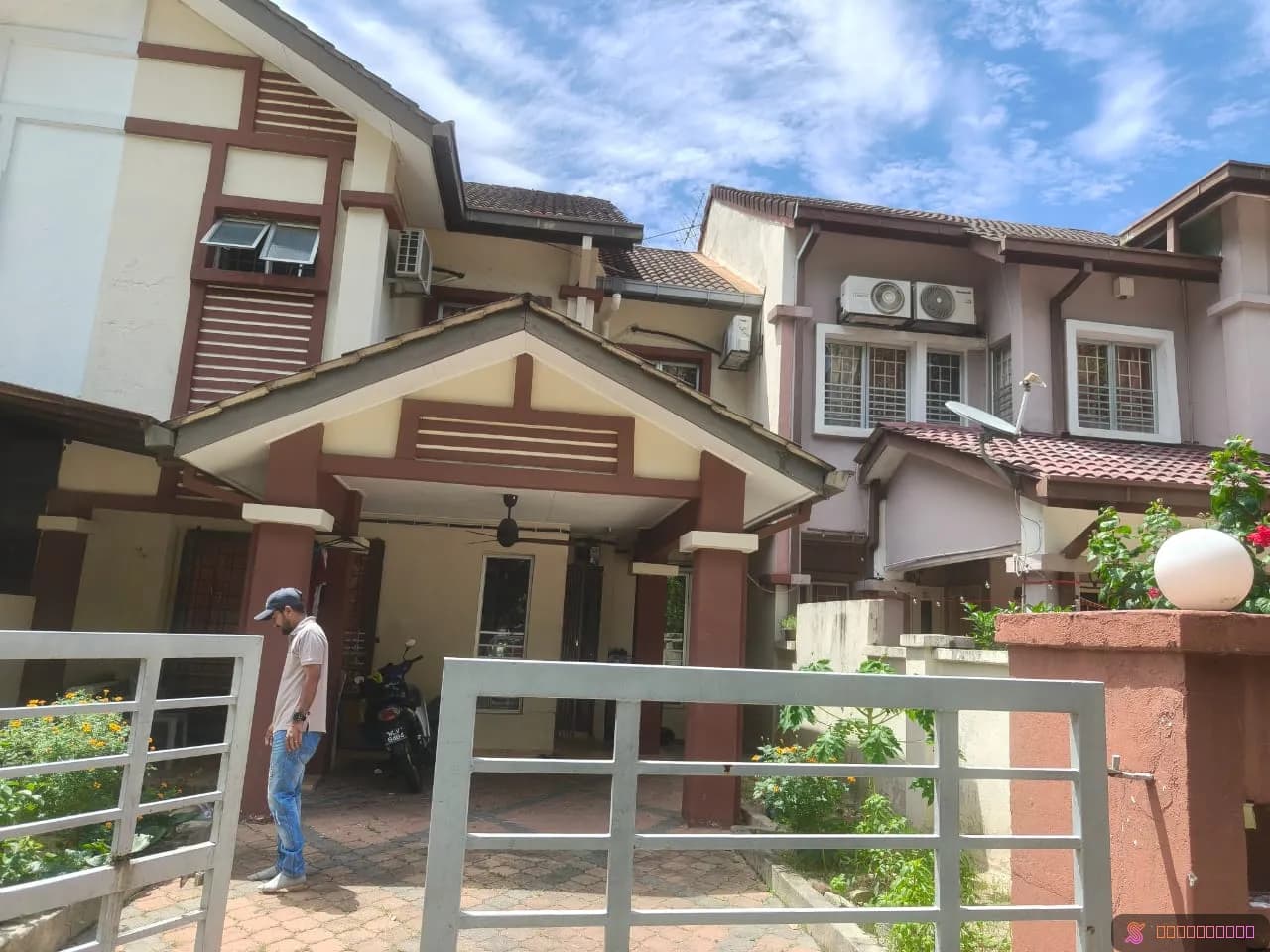
Shah Alam, the Selangor state capital, is built for family living. Wide roads, generous green lots, low density in many residential sections, lakes, parks, and a planned grid of numbered "seksyen" and "U" sections make it one of the most liveable cities in Malaysia. In 2026 it remains a magnet for upgraders who want space without paying central Petaling Jaya or KL prices.
Pricing in Shah Alam varies sharply by section, age and type of property. The older numbered sections (Seksyen 7, 9, 13) and the newer U-sections (U1 through U20, covering areas like Bukit Jelutong, Setia Alam, Alam Impian and Denai Alam) sit at very different price points. As a rough guide for 2026:
| Area / Section | Property type | Indicative price range (2026) |
|---|---|---|
| Seksyen 7 / 9 | Older terrace, apartments, near i-City | Affordable terrace from the mid-RM400Ks; apartments lower |
| Seksyen 13 / SACC corridor | Mixed residential + commercial | Terrace and shop-residential, RM500K–RM800K range |
| U-sections (Bukit Jelutong) | Established landed, gated | RM900K to well above RM2M for larger semi-D / bungalow |
| Setia Alam / Alam Impian (U13) | Newer family townships, terrace + cluster | RM600K–RM1.2M depending on size and tenure |
| Denai Alam / Elmina-adjacent | Newer landed townships | RM700K–RM1.5M+ |
Treat these as orientation ranges, not quotes — exact pricing depends on land size, built-up area, renovation, tenure and the specific phase.
Lifestyle is Shah Alam's selling point. The SACC Mall anchors the city centre, while i-City has grown from a digital-themed attraction into a full mixed-use destination with a mall (Central i-City), hotels, offices, a theme park and a growing residential cluster — a genuine catalyst for the surrounding Seksyen 7 area. The Shah Alam Lake Gardens (Tasik Shah Alam) and the landmark Blue Mosque give the city a green, spacious character that high-density KL cannot match.
For families, the combination of established schools, abundant landed stock, and improving connectivity (the LRT3 Shah Alam Line strengthens links toward Klang and Bandar Utama) makes Shah Alam a strong hold-and-grow market rather than a flip market. If you are weighing a Shah Alam terrace against a KL condo, our Condo vs Landed in Malaysia comparison will help you frame the trade-off.
Subang Jaya & Ara Damansara: Premium Suburb Guide
Subang Jaya and neighbouring Ara Damansara represent the more premium, lifestyle-led end of suburban Selangor. These are mature, sought-after addresses where land is scarce, schools are established, and rental demand from young professionals and families is consistently strong.
SS15 is Subang Jaya's commercial and student heartland — dense with eateries, colleges (Taylor's, Inti and others historically anchored the area) and walk-up apartments, now served directly by an LRT (Kelana Jaya Line extension) station. It is a classic rental-yield play: smaller units, high tenant turnover, strong footfall. USJ (UEP Subang Jaya) is the residential bulk — a large grid of terrace homes and townships popular with families, well-connected by highway and rail.
Ara Damansara sits at the more premium, master-planned end, with newer condos, lifestyle malls (Citta Mall, Evolve Concept Mall) and direct LRT access. It attracts professionals who want a polished, connected lifestyle close to the PJ–KL employment belt and the old Subang airport (Sultan Abdul Aziz Shah / Subang) terminal redevelopment story.
| Area | Typical buyer | Indicative 2026 pricing |
|---|---|---|
| SS15 apartments / walk-ups | Investors, students, young renters | Studios and 1–2 bed from the RM300Ks–RM500Ks |
| USJ terrace | Families, upgraders | RM700K–RM1.3M depending on phase and renovation |
| Subang Jaya condos (newer) | Professionals, small families | RM450K–RM900K |
| Ara Damansara condos | Premium professionals | RM600K–RM1.2M+ |
The big advantages here are LRT connectivity, school catchment, and lifestyle density. For landlords, SS15 and Ara Damansara are among the more reliable Selangor rental markets. If your priority is yield, compare these to other corridors in our Best Rental Yield in KL 2026 breakdown. For young professionals deciding where to base themselves, Best Areas to Rent in KL for Young Professionals covers the rental angle in more depth.
Klang: Underrated Value and Port City Upside
Klang is the value play in Selangor for 2026. As the historic royal town and gateway to Port Klang — Malaysia's largest and busiest port — Klang has industrial weight, a deep local economy, and meaningfully lower prices than the PJ–Subang belt. For budget-conscious buyers and patient investors, that price gap is the opportunity.
The classic Klang stock falls into a few buckets. Klang town shophouses (in Klang and the heritage core) offer commercial-cum-residential utility at prices that would be unthinkable in central PJ — useful if you want a business premise with upstairs living or rental. Bandar Botanic and Bandar Bukit Tinggi are the modern, well-regarded family townships with landed homes, mature retail (AEON, Tesco-lineage hypermarkets) and good road access. KTM Komuter connectivity links Klang directly into the Klang Valley rail spine, and continued infrastructure spillover keeps closing the gap.
| Klang area | Property type | Indicative 2026 pricing |
|---|---|---|
| Klang town | Shophouses, older terrace | Shophouses from the RM700Ks; older terrace from the mid-RM300Ks |
| Bandar Botanic | Family terrace, semi-D | RM550K–RM1.1M |
| Bandar Bukit Tinggi | Terrace, cluster, semi-D | RM600K–RM1.3M |
| Bandar Bukit Raja (newer) | Newer landed townships | RM600K–RM1.2M |
The investment thesis is straightforward: you are buying landed property at a discount to comparable PJ or Shah Alam stock, in a corridor with structural port and industrial demand and improving rail links. The trade-off is slower appreciation and a less prestigious address — Klang is a hold market, not a quick flip. If you are running the numbers as an investor, our Property Investment Malaysia Guide frames the buy-to-hold strategy that suits Klang best.
Emerging Townships: Sepang, Cyberjaya & Putrajaya
South of the established suburbs lies Selangor's planned-city corridor — Cyberjaya, Putrajaya (a federal territory administratively, but functionally part of this growth belt) and the wider Sepang district around KLIA. This is where the state's forward-looking, infrastructure-led growth story plays out.
Cyberjaya was conceived as Malaysia's tech city and in 2026 it has finally matured into one. A genuine ecosystem of data centres, multinationals, universities (including a strong cluster of campuses) and start-ups now underpins real, durable rental demand. The Digital Free Trade Zone (DFTZ) logistics and e-commerce infrastructure around the Sepang–KLIA area adds a second economic engine. For investors, Cyberjaya condos offer some of the more attractive gross yields in the Klang Valley because purchase prices stayed modest while the tenant base — young tech workers and students — kept growing.
Putrajaya, the federal administrative capital, generates steady, recession-resistant demand from civil servants and government-linked workers. Housing is a mix of government quarters and open-market condos and landed homes; the open-market segment benefits from a captive professional tenant pool and the city's manicured, low-density planning.
Sepang more broadly captures airport-linked, logistics and industrial demand, plus newer affordable townships catering to the workforce of KLIA, the DFTZ and surrounding industrial estates.
| Township | Demand driver | Profile for buyers |
|---|---|---|
| Cyberjaya | Tech ecosystem, universities, data centres | Strong rental yields, young-professional tenants |
| Putrajaya | Government quarter, civil-service demand | Stable, low-density, steady tenancy |
| Sepang / KLIA belt | DFTZ, logistics, airport workforce | Affordable entry, industrial-linked rental |
If you are buying in this corridor, prioritise units within reach of the employment nodes and existing rail (the KLIA Transit / ERL and feeder networks). These are yield-and-stability markets rather than rapid-capital-gain markets.
Selangor Bumiputera Lot and State Consent Rules
This is the section that catches the most buyers off guard, so read it carefully — it can make or break a Selangor deal. Two distinct rules apply: the Bumiputera lot quota and the state consent / foreign-purchase threshold.
Bumiputera lots. Like other states, Selangor reserves a portion of units in many developments for Bumiputera buyers, often at a discounted price. If a lot is designated Bumiputera, a non-Bumiputera buyer generally cannot purchase it unless and until the developer or seller obtains a release of the quota from the state authority — a process that can take time and is not guaranteed. Conversely, a Bumiputera buyer purchasing a Bumi lot at a discount typically faces restrictions on later selling to a non-Bumi buyer. Always confirm the lot status on the title and the master plan before you pay a deposit. Our dedicated guide, Bumiputera Lot in Malaysia, explains the release mechanics and resale implications in full.
State consent for foreign buyers. Selangor applies one of the higher minimum-purchase thresholds for foreign buyers in Malaysia, and it is zoned. Under the long-standing Selangor framework, the minimum price a foreigner may pay is higher in the premium zones (the Petaling, Gombak, Hulu Langat, Sepang and Klang districts — broadly "Zone 1") than in the outer districts. As a working reference for 2026:
| Selangor zone (indicative) | Districts (broadly) | Foreign minimum purchase price |
|---|---|---|
| Zone 1 | Petaling, Gombak, Hulu Langat, Sepang, Klang | RM2 million |
| Zone 2 | Kuala Selangor, Kuala Langat | Lower threshold (commonly ~RM2M historically, confirm current order) |
| Zone 3 | Hulu Selangor, Sabak Bernam | Lower threshold (historically ~RM1M, confirm current order) |
In addition, Selangor restricts foreigners from buying certain categories — notably auction properties, agricultural land, Malay Reserve land and Bumiputera-quota units — and a foreign purchase requires state authority consent, which adds time and a consent fee to your transaction. Thresholds are set by state executive order and can change, so always verify the current figure with the Selangor land office (Pejabat Tanah dan Galian / PTG Selangor) or a licensed conveyancing lawyer before committing.
For Malaysian buyers who are not Selangor residents, the Bumiputera and consent rules above still apply where relevant, but you also benefit from Selangor's affordable-housing channels. PKNS (the state development corporation) and the Rumah Selangorku programme supply discounted housing aimed at eligible buyers within income brackets — a valuable route if you qualify.
Foreign buyers should pair this section with our broader Foreigners Buying Property in Malaysia guide and the Stamp Duty for Foreign Buyers 2026 breakdown, because the additional foreign-buyer stamp duty layers on top of the state consent process.
A worked Selangor purchase example
To make the transaction costs concrete, here is a simplified worked example for a Malaysian buyer purchasing a RM700,000 subsale terrace in Shah Alam in 2026. Always confirm current rates with your lawyer, but the structure looks like this:
| Cost item | Basis | Estimated amount |
|---|---|---|
| Purchase price | — | RM700,000 |
| Memorandum of Transfer (MOT) stamp duty | 1% on first RM100K, 2% on next RM400K, 3% on next RM200K | RM15,000 |
| Legal fees (SPA + transfer) | SRO 2023 scale: 1.25% on first RM500K, 1% on next RM200K | ~RM8,250 |
| Loan agreement stamp duty | 0.5% of loan amount (assume 90% = RM630,000) | RM3,150 |
| Loan legal fees | SRO 2023 scale on RM630K loan: 1.25% on first RM500K, 1% on next RM130K | ~RM7,550 |
| Valuation, disbursements, misc | — | ~RM2,000–RM3,000 |
| Total upfront (excluding down payment) | — | ~RM35,950–RM36,950 |
On top of this you would budget the down payment (typically 10% = RM70,000 on a 90% margin) plus any renovation. The MOT and stamp-duty figures follow the federal stamp-duty scale; if you want the full schedule, see Stamp Duty Malaysia 2026 and the full Total Cost of Buying Property 2026 breakdown. The bolded total of roughly RM35,950 to RM36,950 in transaction costs is the number most first-time Selangor buyers forget to plan for.
Recurring ownership costs in Selangor are modest but real: quit rent (cukai tanah) paid annually to the state PTG, assessment tax (cukai pintu) paid to the relevant local council (such as MBSA in Shah Alam, MPSJ/MBSJ in Subang Jaya, or MPK in Klang), and — for strata properties — service/maintenance charges and sinking fund payable to the JMB or Management Corporation (MC). Budget for all three before you buy.
FAQs
Q: Which is the best area in Selangor for investment in 2026?
It depends on your goal. For rental yield, look at Cyberjaya (strong tech-and-student tenant base, attractive purchase prices), SS15 Subang Jaya (high turnover, walk-up apartments near LRT), and Ara Damansara (premium professional tenants). For capital growth with stability, established landed in Shah Alam's U-sections (Setia Alam, Bukit Jelutong) and the maturing MRT3-adjacent corridors offer durable appreciation. For deep value, Klang's Bandar Botanic and Bandar Bukit Raja give you landed property at a discount to PJ with structural port-and-industrial demand. There is no single best area — match the corridor to whether you want yield, growth, or value, and always check the NAPIC overhang data for the segment first.
Q: How will MRT3 affect Selangor property prices?
The MRT3 Circle Line is one of the strongest demand catalysts in inner Selangor for the rest of the decade. Based on how the Klang Valley reacted to the earlier MRT and LRT lines, expect a two-stage effect: land and development values near confirmed, funded station alignments tend to reprice upward during construction, and completed stations then command a sustained rental and resale premium because tenants and buyers pay for car-free connectivity. The practical advice for 2026 is to buy within genuine walking distance (not a vague "near MRT" marketing claim) of a confirmed alignment, and to favour stock that connects the loop to existing employment nodes. Be cautious about paying a speculative premium for alignments that are still proposals rather than committed routes.
Q: Selangor vs KL — which offers better value?
For most family buyers and yield-focused investors, Selangor offers better value per ringgit, while KL offers a more prestigious address and, in pockets, higher liquidity at the luxury end. In Selangor you get significantly more space — landed homes, larger built-up areas, planned townships — for the same budget that buys a mid-sized condo in central KL. Shah Alam, Subang and Klang give families room to grow; Cyberjaya and Sepang give investors yield. KL wins if you prioritise a central lifestyle, branded residences, or proximity to the KLCC employment core, and it has its own oversupply dynamics in the high-rise segment. The honest answer for 2026: if you want space and value, lean Selangor; if you want centrality and prestige, lean KL. Compare the two side by side using our Kuala Lumpur Property Market 2026 guide.
Ready to make your move in Selangor?
Selangor in 2026 rewards buyers who match the right corridor to the right goal — and who plan for the transaction costs, Bumiputera status and (for foreigners) state consent before they fall in love with a unit. The market is liquid, the fundamentals are sound, and the MRT3 build-out is quietly resetting where value sits.
When you are ready to act, browse live listings across Shah Alam, Subang Jaya, Klang and the southern townships on SuperHomes Properties, explore the latest New Projects launching across the Klang Valley, or connect with a verified local specialist through our Agents directory who knows your target section street by street. Start your search today and turn this market knowledge into the right Selangor home or investment.