A subsale is a completed home you buy from its current owner; a new launch is a home you buy from the developer, usually before it is built. A subsale with a bank loan usually completes about three to four months after the SPA is signed and you can inspect exactly what you buy, but there is no developer warranty and you may need to renovate. A new launch gives you a brand-new unit, a statutory 24-month defect liability period and staged payments, but you wait up to 24 months (landed) or 36 months (strata) for the keys.
Every Malaysian property buyer eventually faces the same fork in the road: buy a subsale unit from an existing owner, or purchase a brand-new launch directly from a developer. Both options lead to property ownership, but the journey — and the financial outcomes — can differ dramatically.
There is no universally correct answer. The right choice depends on your budget, timeline, risk tolerance, and whether you are buying to live in or to invest. This guide breaks down every major difference between subsale and new launch properties in Malaysia so you can make a confident, well-informed decision in 2026.
If you are still building your foundation on property investment fundamentals, start with our property investment Malaysia guide before reading this comparison.
What Is a Subsale (Secondary Market) Property?
A subsale property — also called a secondary market property — is a completed unit that has already been issued a Certificate of Completion and Compliance (CCC), or a Certificate of Fitness for Occupation (CFO) for older buildings. It is being sold by an individual owner rather than a developer.
Key characteristics of subsale properties:
- Occupancy within months. The unit is completed, so you can move in or rent it out once the sale completes.
- Individual seller. You negotiate directly with the current owner, usually through a registered real estate agent.
- What you see is what you get. You can inspect the actual unit, check for defects, assess the neighbourhood, and talk to existing residents before committing.
- Existing title (usually). Most subsale homes already have an individual or strata title, which simplifies the transfer. Where the strata title has not been issued, the sale is usually done by deed of assignment, which typically needs the developer's (and often the bank's) consent and can take longer.
Completed homes resold by their owners make up a large share of Malaysia's residential transactions; NAPIC's annual Property Market Report breaks the market down if you want the figures for your state.
What Is a New Launch (Primary Market) Property?
A new launch — also called a primary market property — is a unit sold directly by a developer. It is typically under construction at the time of purchase, though some launches are for completed or near-completion projects.
Key characteristics of new launch properties:
- Purchased from the developer. For housing, you sign the statutory Sale and Purchase Agreement (SPA) prescribed under the Housing Development (Control and Licensing) Regulations 1989: Schedule G for landed houses and Schedule H for strata units. You pay 10% on signing and the rest by construction stage.
- Under construction. Schedule G requires vacant possession within 24 months and Schedule H within 36 months of the SPA date (or of an earlier booking-fee payment).
- Standard finishing. Units come with the developer's standard fittings as listed in the SPA's description of the building.
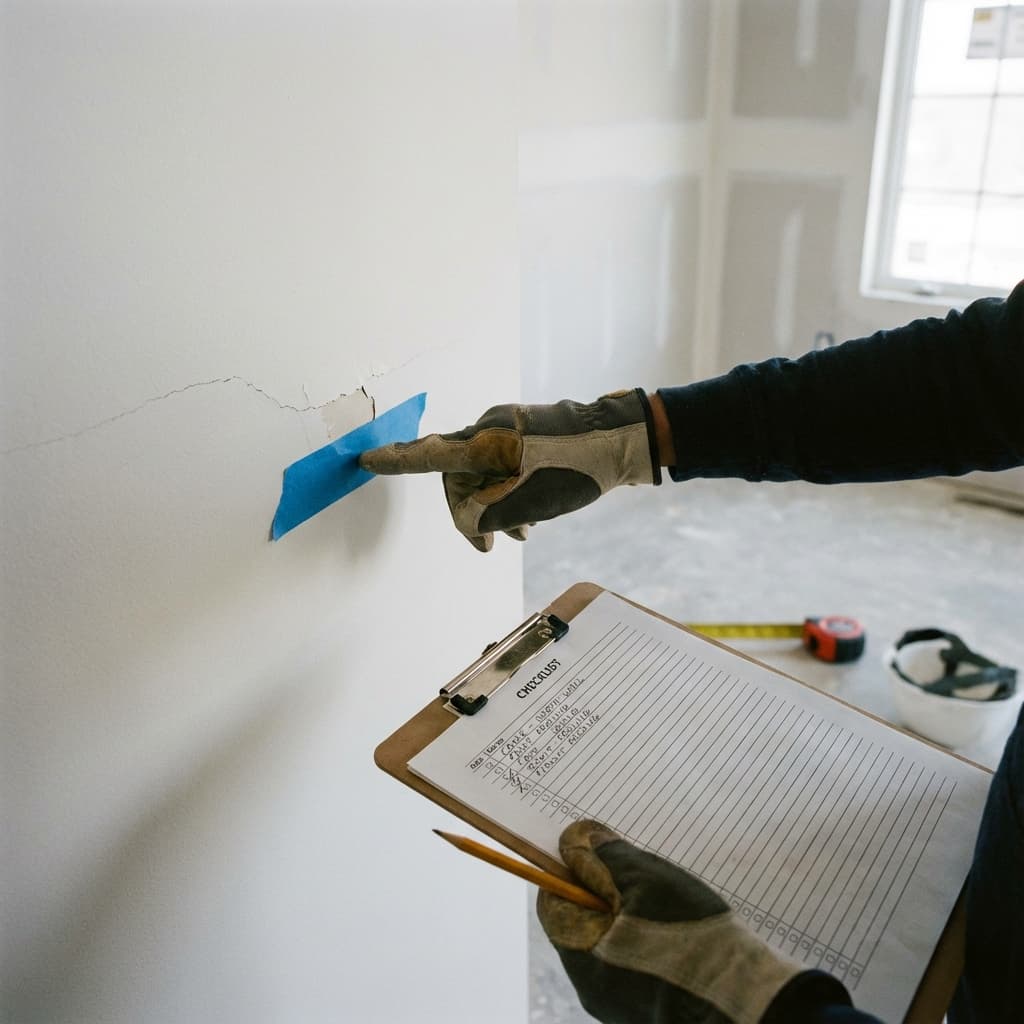
- Defect Liability Period (DLP). The developer must repair defects you report in writing during the 24 months after vacant possession, within 30 days of your notice.
- Developer incentives. Common sweeteners include rebates, free legal fees on the SPA, furnishing packages and, sometimes, guaranteed rental return (GRR) schemes.
(Source: Housing Development (Control and Licensing) Regulations 1989, Schedules G and H as substituted in 2015; PJD Regency Sdn Bhd v Tribunal Tuntutan Pembeli Rumah & Anor [2021] 2 MLJ 60 on booking-fee dates; checked 30 Sep 2026.)
New launches are marketed heavily in Malaysia, and many first-time buyers gravitate toward them because of the lower upfront cash requirement and attractive sales packages. Browse current new project launches in Selangor to see how developers are pricing today.
Subsale vs New Launch: Full Comparison Table
The table below summarises the key differences across every factor that matters when choosing between a subsale and a new launch property.
| Factor | Subsale Property | New Launch Property |
|---|---|---|
| Purchase Price | Market-driven; negotiable with seller | Developer-set; often packaged with rebates |
| Price Per Sq Ft | Often lower for older units | Usually higher for new stock in the same area |
| Condition | Varies; may need renovation | Brand new; standard developer finishing |
| Renovation Budget | Often RM30,000 – RM80,000+ for older units (indicative) | Minimal; mostly cosmetic upgrades |
| Loan Margin (LTV) | Commonly up to 90% of the lower of price or bank valuation | Commonly up to 90% of the SPA price |
| Valuation Risk | Bank may value below the agreed price | Usually lower, but not zero |
| Down Payment | 10% (earnest deposit of 2% – 3% plus the balance at SPA) | 10% on signing the SPA |
| SPA Legal Fees | Buyer pays own legal fees on the full scale | Developer scale is cheaper, and often absorbed by the developer |
| Stamp Duty (MOT) | Same tiers; first-time exemption up to RM500,000 | Same tiers and exemption; sometimes absorbed by developer |
| Defect Liability | No statutory warranty; buyer accepts as-is | 24-month DLP under Schedule G/H |
| Timeline to Move In | About 3 – 4 months after the SPA (financed buyer) | Up to 24 months (landed) or 36 months (strata) |
| Strata Title | Usually issued already | Final 2.5% of price is tied to title delivery at VP |
| Rental Income Start | Soon after completion | Only after vacant possession |
| Maintenance Fee History | Can check arrears and management track record | No history; estimate based on developer projections |
| Exit Strategy | Sell anytime on secondary market | Can sub-sell, but usually needs developer consent and fees before completion |
This table provides the high-level picture. The sections below explore each critical factor in greater detail.
Pricing: Which Offers Better Value?
One of the most common misconceptions is that new launches are always cheaper. In reality, the pricing dynamics are more nuanced.
New Launch Pricing
Developer pricing includes built-in margins for land cost, construction, marketing, sales commissions, and profit. On top of that, new launches are often priced at a premium to reflect their "brand new" status and the amenities promised in the development.
As a hypothetical example, a new launch condo might be priced at RM750 per square foot while a five-year-old subsale unit nearby transacts at RM600 to RM650 per square foot, depending on condition and floor level. Check recorded transactions for your target area rather than relying on our illustration.
However, developers frequently offer packages that reduce the effective price:
- Stamp duty absorption. Developer pays part or all of the Memorandum of Transfer (MOT) stamp duty.
- Legal fee waivers. SPA and loan agreement legal fees covered.
- Cash rebates. Direct discounts or early-bird rebates off the listed price. Ask whether the bank will lend on the gross SPA price or the net price after rebates, because banks generally lend on the net figure.
- Furnished packages. Free built-in wardrobe, kitchen cabinet, air-conditioning units, or appliance bundles.
After factoring in these incentives, the effective cost of a new launch can be comparable to — or occasionally lower than — a subsale unit in the same neighbourhood. But always calculate the true all-in cost rather than relying on headline prices.
Subsale Pricing
Subsale prices are determined by the open market. They reflect genuine supply-and-demand dynamics, recent comparable transactions, and the specific condition of the unit.
The advantage of subsale is negotiation power. Unlike developers who rarely budge on listed prices (preferring to offer rebates instead), individual sellers can be motivated to accept offers below asking price — particularly if they are upgrading, relocating, or facing financial pressure.
A practical approach is to compare the asking price with recorded transaction prices, which NAPIC publishes and which many listing portals summarise. If the seller is asking well above recent transactions, there is room to negotiate. Compare asking prices for completed homes in a hub such as Petaling Jaya before you make an offer. Learn more about navigating the buying process in our guide to buying your first home in Malaysia.
Renovation Costs: The Hidden Expense of Subsale
This is where subsale properties can surprise unprepared buyers. A unit that looks acceptable during viewing may need significant work once you move in.
Typical Renovation Costs for Subsale Properties
| Renovation Item | Estimated Cost (RM, indicative) |
|---|---|
| Hacking and re-tiling (entire unit) | 15,000 – 30,000 |
| Kitchen cabinet replacement | 8,000 – 20,000 |
| Built-in wardrobe | 5,000 – 12,000 |
| Bathroom renovation (per bathroom) | 5,000 – 15,000 |
| Repainting (entire unit) | 3,000 – 6,000 |
| Electrical rewiring | 3,000 – 8,000 |
| Plumbing overhaul | 2,000 – 5,000 |
| Total (moderate renovation) | 30,000 – 80,000 |
These are editorial estimates for a mid-sized condo; get at least two contractor quotes. For units older than 15 years, the total can exceed RM100,000 if structural issues, water damage, or outdated wiring are discovered. Budget a contingency of 10% to 20% above your renovation estimate, and in a strata building check the management's renovation rules and deposit first. Our renovation cost guide has more detail.
New Launch: Minimal Renovation Required
New launch units arrive with standard finishing — tiled floors, painted walls, basic kitchen top, water heater, and bathroom fittings. Many buyers move in with only minor additions such as curtains, lighting fixtures, and loose furniture.
That said, some buyers choose to upgrade from the developer's standard finishing, which can add tens of thousands of ringgit depending on the scope. Premium flooring, an upgraded kitchen, and custom wardrobes are the most common enhancements. Hacking or altering work during the DLP can complicate defect claims, so finish your defect inspection first.
The key difference is that renovation for a new launch is optional and cosmetic, while renovation for a subsale property is often necessary and structural.
Loan Margin and Financing Differences
How banks assess your property loan differs meaningfully between subsale and new launch purchases. Understanding these differences can prevent unpleasant surprises during the application process. For a comprehensive overview of home financing, refer to our home loan guide for 2026.
Subsale: Valuation Is Everything
When you apply for a loan on a subsale property, the bank sends a valuer to assess the unit. The loan is based on the lower of the agreed price and the bank's valuation.
This creates a risk. If the bank values the property at RM480,000 but you agreed to buy it at RM520,000, a 90% loan is RM432,000 (90% of RM480,000). You must pay the remaining RM88,000 in cash, which is the usual 10% deposit plus the RM40,000 gap between price and valuation.
To mitigate this risk:
- Get an indicative valuation before signing the SPA.
- Compare valuations from two or three banks, as they can differ.
- Negotiate the purchase price to align with likely valuation.
New Launch: SPA Price Usually Matches
For new launch properties, banks often lend on the SPA price (net of rebates), since the developer's pricing is supported by the project's sales record. Valuation shortfalls are less common, though they can occur for projects in less established areas or where heavy rebates inflate the gross price.
Two features of new launch financing matter:
- Developer Interest Bearing Scheme (DIBS) is banned. Projects with DIBS features have been prohibited since 1 January 2014, and banks may not finance them (Source: Budget 2014 measures on DIBS, effective 1 January 2014; checked 30 Sep 2026). If a developer offers "no interest until completion", it is a rebate arrangement outside the statutory SPA, so get it in writing.
- Progressive payment schedule. The bank releases the loan stage by stage, and you pay interest only on the amount released, rather than the full monthly instalment from day one. See our progressive payment schedule guide for each stage.
Loan Eligibility Summary
| Financing Factor | Subsale | New Launch |
|---|---|---|
| Maximum LTV (first two housing loans) | Bank policy, commonly up to 90% | Bank policy, commonly up to 90% |
| Maximum LTV (third housing loan onward) | 70% (BNM cap) | 70% (BNM cap) |
| Loan basis | Lower of price and bank valuation | SPA price, net of rebates |
| Valuation shortfall risk | Moderate to high | Lower |
| Interest during construction | Not applicable (immediate loan) | Progressive interest on amounts released |
| Full instalments start | From the first full disbursement | Once the loan is fully disbursed, around VP |
(Source: Bank Negara Malaysia, maximum LTV of 70% on the third housing loan, 3 Nov 2010; checked 30 Sep 2026.)
First-time buyers with limited cash reserves may find the new launch financing structure more manageable, since the upfront cash outlay is lower and full monthly repayments are deferred. Both routes can use the first-time buyer stamp duty exemption: no MOT or loan stamp duty on a first home up to RM500,000 for SPAs signed up to 31 December 2027 (Source: Budget 2026 extension of the exemption; checked 30 Sep 2026). See our stamp duty guide.
Timeline: When Can You Move In or Start Earning Rent?
Time is a critical factor, especially for investors who need rental income to service their mortgage.
Subsale: Move In Within Months
A typical financed subsale runs like this: the buyer pays an earnest deposit of 2% to 3% with the offer, signs the SPA and pays the balance of the 10% deposit within about two weeks, and the SPA sets a completion period that is commonly three months, often extendable by one month with late-payment interest (Source: our selling with an outstanding loan guide; these are contract terms, not statutory ones; checked 30 Sep 2026). From offer to keys, plan for roughly three to five months. A cash purchase of a clean title can be faster.
This means:
- Owner-occupiers can move in a few months after agreeing the price.
- Investors can begin collecting rent soon after completion, assuming the unit is in rentable condition.
New Launch: Wait Up to Two or Three Years
New launch buyers must wait for the developer to complete construction. The standard timeline is:
- SPA signing to vacant possession: within 24 months for landed (Schedule G) or 36 months for strata (Schedule H), counted from the SPA date or from an earlier booking-fee payment.
- Vacant possession (VP): delivered with the CCC.
- Defect inspection and rectification: report defects in writing at any time in the 24-month DLP; the developer has 30 days to repair each notice.
- Move-in or tenant placement: usually soon after VP and the first round of defect repairs.
During this waiting period, you are not earning any rental income, but you are paying progressive interest on the loan amount released. As an illustration, that carrying cost can run into the tens of thousands of ringgit over the construction period, depending on the loan amount, interest rate and pace of construction.
There is also the risk of construction delays. If the developer delivers late, it must pay liquidated damages at 10% a year of the purchase price, calculated daily, under Schedules G and H (Source: Schedules G and H as amended in 2015; checked 30 Sep 2026). Our LAD claims guide shows how to claim.
Which Is Better for Owner-Occupiers vs Investors?
The ideal choice depends heavily on your profile and objectives.
Owner-Occupiers: Subsale Often Wins
If you are buying a home to live in, a subsale property offers compelling advantages:
- Quicker occupancy. No waiting years for construction to finish.
- Known environment. You can assess the actual neighbourhood, traffic conditions, noise levels, and management quality before purchasing.
- Established infrastructure. Schools, clinics, public transport, and commercial amenities are already operational around mature subsale developments.
- Negotiation leverage. Motivated sellers may accept below-market offers, particularly for units that have been listed for extended periods.
The main trade-off is renovation cost and the absence of a defect warranty. Budget accordingly, and use our subsale inspection checklist before you sign.
Investors: New Launch Can Be Attractive
For property investors, new launches offer a different value proposition:
- Lower upfront cost. Developer rebates, absorbed fees, and progressive payment mean less cash out of pocket at the start.
- Capital appreciation potential. Buying at launch price before an area matures can pay off by the time the project is completed, especially near new transit or infrastructure. It can also go the other way if many similar units complete at once.
- Developer packages. Some developers offer guaranteed rental return (GRR) schemes for the first two to three years after VP. Read the terms closely: the "guarantee" is a contractual promise from the developer, often priced into the unit.
- Newer facilities. Modern developments with co-working spaces, smart home features, and premium amenities can command higher rents and attract quality tenants.
However, investor buyers must factor in the opportunity cost of capital locked up during the construction period, the risk of market downturns between purchase and completion, and the possibility that projected rental yields may not materialise.
Decision Matrix
| Buyer Profile | Recommended Option | Key Reason |
|---|---|---|
| First-time buyer, limited cash | New launch | Lower upfront cost, developer incentives |
| Family needing a home soon | Subsale | Move in within months |
| Investor seeking rental income now | Subsale | Tenant placement soon after completion |
| Investor with long-term horizon | New launch | Capital appreciation from early entry |
| Buyer wanting specific mature area | Subsale | Limited new supply in established areas |
| Buyer wanting modern facilities | New launch | Latest designs and amenities |
How to Decide: A Practical Framework
If you are still unsure, work through these four questions:
-
When do you need the property? If within six months, subsale is your only realistic option. If you can wait two to three years, a new launch is viable.
-
How much cash do you have on hand? If your savings are tight, a new launch with developer rebates and staged payments may be easier to manage. A subsale needs the 10% deposit, legal fees, any valuation gap and renovation money upfront.
-
What is your investment horizon? Short-term flippers (though this is risky and subject to RPGT of 30% within three years for citizens) lean toward undervalued subsale units. Long-term holders can benefit from buying new launches in emerging corridors.
-
How important is certainty? Subsale lets you see exactly what you are buying. New launches require trust in the developer's track record, architectural renders, and sales promises.
FAQs About Subsale vs New Launch
Q: What is a new launch property in Malaysia?
A new launch is a home sold by the developer, usually before or during construction. For housing, you sign the statutory Schedule G (landed) or Schedule H (strata) SPA, pay 10% on signing and the rest in stages as construction progresses. The developer must hand over vacant possession within 24 months (landed) or 36 months (strata) and fix defects reported in the 24 months after handover.
Q: What is a subsale property?
A subsale is a completed home bought from its current owner rather than the developer. You negotiate the price, pay an earnest deposit of 2% to 3% and the balance of a 10% deposit when you sign the SPA, and the sale usually completes about three to four months later. There is no developer warranty, so inspect the unit and check the title before you sign.
Q: How do I buy a new launch property in Malaysia?
Check the developer's track record and its housing developer's licence and advertising and sales permit, whose numbers should appear on its advertisements. Visit the site, read the SPA and the specifications, and get a loan approval in principle. Then sign the statutory SPA and pay 10%, and the bank pays the rest stage by stage. Our new launch checklist walks through each step.
Q: Is it safe to pay for a "pre-launch" property?
Be careful. A developer selling housing is generally expected to have its advertising and sales permit before it advertises or takes payments, and since the 2015 amendments no one may collect payment "by whatever name called" outside what the SPA prescribes. Registering interest is fine; paying a deposit before a permit and an SPA exist is a risk. If you are asked to pay early, ask for the permit number and a receipt, and raise concerns with KPKT.
Q: Which type of property appreciates faster — subsale or new launch?
It depends on the specific property and location rather than the category. A new launch in an emerging area with new infrastructure can rise by completion, but it can also face a glut of similar units completing at the same time. A well-located subsale in a mature neighbourhood with limited new supply tends to grow more steadily. In general, land scarcity and location quality drive appreciation more than whether a property was bought as subsale or new launch.
Q: Does the developer warranty cover everything in a new launch?
The 24-month Defect Liability Period (DLP) covers defects due to defective workmanship or materials, or work not done to the approved plans and specifications, such as cracked tiles, faulty wiring, leaking pipes and poorly fitted doors. It does not cover wear and tear, damage caused by the buyer, or cosmetic preferences. Report defects in writing at any time during the 24 months; the developer must repair within 30 days of your notice. Inspect early and keep copies of all correspondence. See our defect liability period guide.
Q: Is stamp duty different for a subsale and a new launch?
No. The same MOT tiers apply (1% to 4%) plus 0.5% of the loan, and first-time buyers of a home up to RM500,000 are exempt from both for SPAs signed up to 31 December 2027. The difference is that developers sometimes absorb stamp duty or legal fees as a sales incentive, which a private seller rarely does.
Q: Can I negotiate the price of a subsale property?
Yes, and you should. Unlike developer pricing, subsale prices are set by individual sellers and are usually negotiable. Start by researching recent transacted prices in the same development or nearby projects. If the asking price is significantly above recent transactions, you have a strong basis for negotiation. Common strategies include pointing to required renovation costs, offering a quick completion timeline (which appeals to sellers who need liquidity), and making a clean offer without complex conditions.
Making Your Decision With SuperHomes
Whether you choose subsale or new launch, the most important factor is buying the right property at the right price in the right location. SuperHomes lists both completed homes and new launches across Malaysia, so you can compare options side by side.
Browse available properties on SuperHomes to start your search, or explore new project launches to see what developers are offering in 2026.