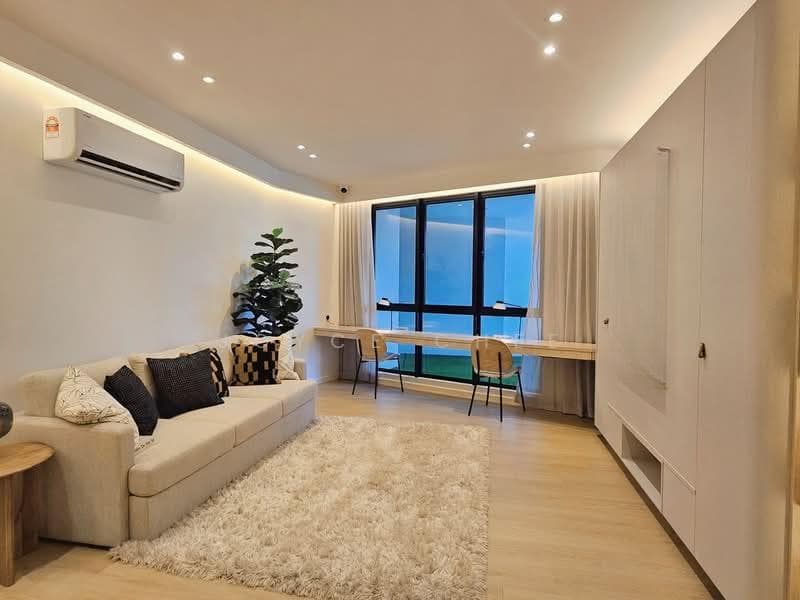
Whether you are a first-time renter, a returning Malaysian, or an expat relocating to the country, understanding how the rental market works in Malaysia is essential. The process may seem straightforward on the surface, but there are important legal, financial, and practical details that can make or break your renting experience.
This guide covers everything you need to know about renting a house in Malaysia in 2026, from finding the right property and signing a tenancy agreement, to understanding your rights as a tenant and budgeting for deposits and monthly costs. By the time you finish reading, you will be fully equipped to navigate the Malaysian rental market with confidence.
How to Rent a House in Malaysia: Step-by-Step
Renting a house in Malaysia follows a fairly standard process, but each step has nuances worth understanding. Here is a complete walkthrough.
Step 1: Determine Your Budget and Requirements
Before you start browsing listings, get clear on what you can afford. A common guideline is to keep your monthly rent below 30% of your gross household income. Factor in additional costs such as utilities, internet, parking, and maintenance fees for condominiums or serviced apartments.
Think about what matters most to you: proximity to your workplace, access to public transport, number of bedrooms, pet-friendliness, or nearby amenities like schools and grocery stores.
Step 2: Search for Listings
Malaysia has several channels for finding rental properties:
- Online property platforms like SuperHomes allow you to filter by area, property type, budget, and features.
- Property agents can help you find listings that match your criteria, especially for landed properties in high-demand areas.
- Social media groups on Facebook and Telegram are popular for room rentals and direct-owner listings.
- Word of mouth remains surprisingly effective, particularly in suburban neighborhoods.
When browsing, pay attention to listing details such as furnishing level (unfurnished, partially furnished, or fully furnished), built-up size, floor level for high-rise units, and the age of the property.
Step 3: Arrange Viewings
Always view a property in person before committing. During the viewing, check the following:
- Water pressure in bathrooms and kitchen
- Condition of walls, flooring, and ceilings (look for water stains or cracks)
- Working condition of air-conditioning units, water heaters, and appliances
- Security features such as access cards, CCTV, and guard services
- Mobile phone signal strength inside the unit
- Noise levels from nearby roads, construction, or neighbors
- Parking arrangements and availability
Take photos and videos during each viewing so you can compare properties later.
Step 4: Negotiate the Terms
Once you have found a property you like, it is time to negotiate. In Malaysia, the following terms are commonly negotiable:
- Monthly rent: Landlords may be willing to reduce rent for longer tenancy commitments (e.g., two years instead of one).
- Furnishing: You can request additional furniture or appliances, especially for partially furnished units.
- Maintenance responsibilities: Clarify who handles minor repairs and servicing of appliances.
- Move-in date: Some flexibility is usually possible, particularly if the unit has been vacant for a while.
Do not be afraid to negotiate. The worst a landlord can say is no, and in 2026's market, many landlords are open to reasonable discussions, especially for units that have been listed for several weeks.
Step 5: Sign the Tenancy Agreement
Once you and the landlord agree on terms, a tenancy agreement will be prepared. This legally binding document outlines the rights and responsibilities of both parties. We cover the details of this critical step in the next section.
Step 6: Pay Deposits and Move In
Before collecting the keys, you will need to pay the required deposits (typically the 2+1 structure) plus your first month's rent in advance. After payment, conduct a thorough check-in inspection and document the condition of the property with photographs. This protects you when it comes time to reclaim your deposit at the end of the tenancy.
Understanding the Tenancy Agreement
The tenancy agreement (sometimes called a rental agreement or "TA") is the single most important document in your rental journey. It is a legally binding contract that governs the entire landlord-tenant relationship.
What a Tenancy Agreement Should Include
A proper tenancy agreement in Malaysia typically contains the following:
| Clause | What It Covers |
|---|---|
| Parties involved | Full names, IC/passport numbers of landlord and tenant |
| Property details | Full address, unit number, and description of the premises |
| Tenancy period | Start date, end date, and renewal options |
| Monthly rent | Amount, due date, and acceptable payment methods |
| Deposit terms | Security deposit, utility deposit, and advance rental amounts |
| Maintenance obligations | Who pays for repairs, servicing, and replacements |
| Termination clause | Notice period, penalties for early termination |
| Diplomatic clause | Allows early termination if tenant is transferred overseas |
| House rules | Restrictions on pets, renovations, subletting, etc. |
| Inventory list | Detailed list of all furniture and appliances provided |
Stamp Duty on Tenancy Agreements
For a tenancy agreement to be legally enforceable in Malaysian courts, it must be stamped by LHDN (Inland Revenue Board). The stamp duty rate depends on the duration of the tenancy:
| Tenancy Duration | Stamp Duty Rate |
|---|---|
| Up to 1 year | RM1 per RM250 of annual rent |
| 1 to 3 years | RM2 per RM250 of annual rent |
| Above 3 years | RM4 per RM250 of annual rent |
As of January 2026, the previous RM2,400 annual rent exemption on stamp duty has been removed. This means all tenancy agreements, regardless of rental amount, are now subject to stamp duty from the first ringgit.
For a detailed breakdown of tenancy agreement clauses, stamp duty calculations, and a checklist for what to include, read our comprehensive Tenancy Agreement Malaysia guide.
The Diplomatic Clause
If you are an expat or someone whose job may require relocation, pay special attention to the diplomatic clause. This provision allows you to terminate the tenancy early (typically after 12 months of a 24-month agreement) if you are transferred to another country or city by your employer. Without this clause, breaking a lease early usually means forfeiting your security deposit.
How Much Does It Cost to Rent in Malaysia 2026?
Rental costs in Malaysia vary significantly depending on the state, area, property type, and furnishing level. Here is a snapshot of median monthly rents across key markets in 2026.
Median Monthly Rent by State and Property Type (2026)
| Location | Studio/1-Bed Condo | 2-3 Bed Condo | 3-Bed Terrace | 4-Bed Semi-D |
|---|---|---|---|---|
| Kuala Lumpur (City Centre) | RM1,800 - RM2,500 | RM2,800 - RM4,500 | RM3,000 - RM5,000 | RM5,000 - RM8,000 |
| Kuala Lumpur (Suburbs) | RM1,200 - RM1,600 | RM1,800 - RM2,800 | RM1,800 - RM3,000 | RM3,000 - RM5,000 |
| Petaling Jaya | RM1,300 - RM1,800 | RM2,000 - RM3,200 | RM2,000 - RM3,500 | RM3,500 - RM6,000 |
| Mont Kiara | RM2,200 - RM3,000 | RM3,500 - RM6,000 | N/A | RM8,000 - RM15,000 |
| Bangsar | RM1,800 - RM2,500 | RM3,000 - RM5,000 | RM3,500 - RM5,500 | RM6,000 - RM10,000 |
| Cheras | RM900 - RM1,300 | RM1,400 - RM2,200 | RM1,500 - RM2,500 | RM2,500 - RM4,000 |
| Penang (George Town) | RM1,200 - RM1,800 | RM2,000 - RM3,500 | RM1,800 - RM3,000 | RM3,500 - RM6,000 |
| Johor Bahru | RM800 - RM1,200 | RM1,300 - RM2,200 | RM1,200 - RM2,000 | RM2,000 - RM3,500 |
| Selangor (Shah Alam) | RM900 - RM1,300 | RM1,500 - RM2,500 | RM1,500 - RM2,500 | RM2,500 - RM4,500 |
These figures reflect median asking rents for partially to fully furnished properties in Q1 2026. Actual rents may differ based on the specific development, floor level, condition, and landlord flexibility.
What Drives Rental Prices?
Several factors influence how much you will pay:
- Location and accessibility: Properties near MRT/LRT stations, major highways, and commercial hubs command higher rents. The ongoing MRT3 Circle Line project is already influencing rents along its planned route.
- Property type and age: Newer developments with modern facilities (pools, gyms, co-working spaces) typically cost more than older buildings.
- Furnishing level: Fully furnished units can cost 20-40% more than unfurnished equivalents.
- Market conditions: Oversupply in certain areas (particularly high-rise condos in KL city centre) can create opportunities for tenants to negotiate lower rents.
- Floor level and view: Higher floors with unobstructed views attract premium rents in high-rise developments.
Total Upfront Cost: What to Prepare
When budgeting for a move, calculate your total upfront outlay using this formula:
| Cost Component | Typical Amount |
|---|---|
| Security deposit | 2 months' rent |
| Utility deposit | 0.5 - 1 month's rent |
| Advance rent | 1 month's rent |
| Stamp duty (tenant's share) | Varies (RM100 - RM500 for most tenancies) |
| Agent fee (if applicable) | Nil for tenants (paid by landlord in most cases) |
| Total upfront | Approximately 3.5 - 4 months' rent |
For a unit renting at RM2,000 per month, expect to prepare approximately RM7,000 to RM8,000 before you even move in.
Tenant Rights and Obligations
Understanding your rights as a tenant is crucial for a smooth renting experience. Malaysia does not have a dedicated Tenancy Act, so your rights are primarily governed by the tenancy agreement itself and general contract law principles.
What Your Landlord Cannot Do
Even without specific legislation, Malaysian tenants are protected by common law and the terms of their tenancy agreement. Your landlord cannot:
- Enter the property without notice: You have the right to quiet enjoyment of the premises. The landlord must provide reasonable notice (typically 24-48 hours) before visiting, except in emergencies.
- Lock you out or remove your belongings: Even if you are behind on rent, the landlord cannot take the law into their own hands. They must obtain a court order for eviction.
- Increase rent during the tenancy period: The agreed rent is fixed for the duration of the agreement unless a rent review clause has been specifically included.
- Withhold your deposit without justification: Deductions must be for actual damage beyond normal wear and tear, supported by evidence.
- Terminate the tenancy without proper notice: The notice period specified in the agreement must be followed.
Your Obligations as a Tenant
Along with your rights come responsibilities:
- Pay rent on time: Late payment can result in penalties as specified in your tenancy agreement, and persistent non-payment is grounds for termination.
- Maintain the property: Keep the property in reasonable condition. Report maintenance issues promptly rather than letting them worsen.
- Do not sublet without permission: Most tenancy agreements prohibit subletting or assigning the tenancy without the landlord's written consent.
- Follow house rules: Respect any restrictions on pets, noise levels, renovations, or use of common facilities as outlined in your agreement or the building's management rules.
- Return the property in good condition: Normal wear and tear is expected, but you are responsible for any damage caused during your tenancy.
For a deeper dive into what protections you have and how to handle disputes, read our guide on Tenant Rights in Malaysia.
Rental Deposit Rules (2+1 Explained)
The deposit structure is one of the most important financial aspects of renting in Malaysia. Understanding how it works protects your money and sets clear expectations from the start.
The Standard 2+1 Deposit Structure
The most common deposit arrangement in Malaysia is known as "2+1":
- 2 months' security deposit: This covers potential damage to the property or unpaid rent. It is refundable at the end of the tenancy, provided the property is returned in good condition.
- 1 month's utility deposit: This covers potential unpaid utility bills (electricity via TNB, water, and sometimes gas). It is also refundable after all final bills have been settled.
Some landlords, particularly for higher-end properties or in areas with high demand, may require a "2+1+0.5" structure, where the additional half-month covers specific costs like access cards, remote controls, or maintenance fees.
Advance Rent
In addition to the deposits, you will typically pay one month's rent in advance. This covers your first month of occupancy and is not a deposit, meaning it is not refundable.
How Deposits Are Refunded
At the end of your tenancy, the process for getting your deposit back typically works as follows:
- Joint inspection: You and the landlord (or their agent) inspect the property together, comparing its condition against the check-in inventory.
- Utility bill settlement: Final utility bills are settled, and the utility deposit is adjusted accordingly.
- Deductions (if any): The landlord may deduct from the security deposit for damage beyond normal wear and tear. Reasonable deductions must be documented with evidence (photos, repair invoices).
- Refund timeline: While there is no legally mandated timeline, the standard practice is for landlords to refund the balance within 14 to 30 days after the tenancy ends and all bills are settled. Your tenancy agreement should specify this timeline.
Common Deposit Disputes and How to Avoid Them
The most frequent disputes between landlords and tenants revolve around deposit deductions. To protect yourself:
- Take detailed photos and videos during check-in and check-out.
- Ensure the inventory list in your tenancy agreement is thorough and accurate.
- Report and document any pre-existing damage before moving in.
- Keep copies of all payment receipts and correspondence with your landlord.
- Request an itemized breakdown of any proposed deductions.
For a complete breakdown of deposit rules, calculation examples, and tips for ensuring a full refund, visit our Rental Deposit Malaysia guide.
Best Areas to Rent in Malaysia by Budget
Choosing where to live is just as important as finding the right property. Here is a breakdown of the best areas to rent in Malaysia, organized by monthly budget.
Budget: Under RM1,500 per Month
If you are working with a tighter budget, several areas offer good value for money:
| Area | What You Can Expect | Best For |
|---|---|---|
| Cheras | 2-3 bed condo, close to MRT | Young professionals, small families |
| Setapak | Studio or 2-bed condo near amenities | Students, singles |
| Cyberjaya | Modern condos with full facilities | Tech workers, students |
| Bangi | Landed terrace or spacious condo | Families, those working in Putrajaya |
| Rawang | Landed property with more space | Families who drive, remote workers |
| Klang | Spacious terrace houses | Budget-conscious families |
At this price range, you can find well-maintained condominiums with pools and gyms in suburban locations, or basic landed terrace houses further from the city centre.
Budget: RM1,500 - RM3,000 per Month
This mid-range budget opens up a much wider selection:
| Area | What You Can Expect | Best For |
|---|---|---|
| Petaling Jaya | 2-3 bed condo in established neighborhoods | Working professionals, families |
| Kepong / Desa Park City | Modern condos, landed units | Families, lifestyle-focused renters |
| Puchong | New developments with good facilities | Young families, commuters |
| Ara Damansara | Serviced apartments near LRT | Young professionals |
| Subang Jaya | Mix of condos and landed homes | Families, students |
| Old Klang Road | Central location, mixed options | Commuters, couples |
This is the sweet spot for most working professionals in the Klang Valley, offering a balance of location, quality, and affordability.
Budget: Above RM3,000 per Month
At the premium end, you gain access to prime locations and high-end developments:
| Area | What You Can Expect | Best For |
|---|---|---|
| Mont Kiara | Luxury condos with international community | Expats, senior professionals |
| Bangsar | Character-rich neighborhood, cafes and nightlife | Professionals, expats |
| KLCC / KL City Centre | High-rise living with iconic views | Corporate executives, expats |
| Damansara Heights | Exclusive landed homes and boutique condos | High-income families, diplomats |
| Taman Tun Dr Ismail (TTDI) | Mature neighborhood, mix of landed and high-rise | Established families |
Best Areas for Students and Young Professionals
If you are just starting your career or still studying, location and affordability are your top priorities. Here are the best areas for you:
Setapak remains one of the most affordable neighborhoods in KL, with easy access to several universities and colleges. A room rental here costs as little as RM500-RM800 per month, while a studio apartment ranges from RM900 to RM1,200.
Cheras benefits from excellent MRT connectivity following the completion of the Putrajaya Line. Rental prices are among the most competitive in KL, and the area is rich with food options and everyday amenities. A 2-bedroom condo here rents for RM1,200 to RM1,800.
Cyberjaya is ideal if you work in the tech sector or study at one of the area's universities. Modern condominiums with resort-style facilities are available at prices significantly lower than central KL. Expect to pay RM1,000 to RM1,500 for a well-furnished 2-bedroom unit.
For a detailed comparison, see our guide on the Best Areas to Rent in KL for Young Professionals.
Best Areas for Families and Expats
Families and expatriates typically prioritize safety, international schools, green spaces, and community atmosphere.
Mont Kiara is the go-to choice for expats, particularly those from Japan, Korea, and Western countries. It offers a wide selection of luxury condominiums, international schools (including Mont Kiara International School and Garden International School), and a thriving food and retail scene. Rents start from RM2,500 for a 2-bedroom unit and can exceed RM10,000 for larger family-sized apartments.
Bangsar combines a vibrant lifestyle with family-friendly features. The neighborhood has excellent restaurants, boutique shops, and is well-connected via the LRT and major highways. Bangsar South, in particular, has seen rapid development and offers modern condominiums at slightly lower price points than Bangsar proper.
Damansara (encompassing Damansara Heights, Damansara Jaya, and Bandar Utama) is a sprawling suburban area with a strong community feel. It is home to several popular international schools and offers a mix of landed homes and high-rise living. Families who prefer space and greenery will find excellent options here.
Room Rental in Malaysia: What You Need to Know
Not everyone needs or wants to rent an entire unit. Room rentals are a practical and affordable option, especially for students, single professionals, and those new to an area.
Types of Rooms Available
Room rentals in Malaysia are typically categorized by size:
| Room Type | Typical Size | 2026 Price Range (KL) | Features |
|---|---|---|---|
| Master Room | 150-200 sq ft | RM800 - RM1,500 | Attached bathroom, larger space |
| Medium Room | 100-130 sq ft | RM500 - RM900 | Shared bathroom, decent space |
| Single Room | 70-90 sq ft | RM350 - RM650 | Shared bathroom, compact |
| Small Room / Utility Room | 50-70 sq ft | RM250 - RM450 | Very compact, shared bathroom |
Prices vary significantly by area. A master room in Mont Kiara or Bangsar may cost RM1,200 to RM1,500, while the same room type in Cheras or Setapak might only be RM700 to RM900.
What to Know Before Renting a Room
Room rentals come with some unique considerations:
- House rules: Most housemates and landlords establish rules about guests, noise levels, cleaning schedules, and use of shared spaces. Make sure these are discussed and agreed upon before you move in.
- Utility sharing: Utilities are usually split among tenants, either equally or based on usage. Clarify this arrangement before signing anything.
- Deposit structure: Room rentals typically require a smaller deposit, often one month's security deposit plus half a month's utility deposit. Some landlords only ask for one month's deposit in total.
- Tenancy agreement: Even for room rentals, insist on a written agreement. It does not need to be as formal as a full tenancy agreement, but it should cover rent amount, deposit, notice period, and house rules.
- Internet and Wi-Fi: Check whether internet is included in the rent and whether the speed is adequate for your needs.
Furnished vs. Unfurnished Rooms
Most room rentals in Malaysia come at least partially furnished with a bed, wardrobe, and desk. Fully furnished rooms may also include bedding, curtains, and a study lamp. Unfurnished room rentals are uncommon but can be found in landed properties where the tenant wishes to bring their own furniture.
Tips for First-Time Renters in Malaysia
If this is your first time renting in Malaysia, keep these practical tips in mind:
Before Signing
- Read the entire tenancy agreement carefully. Do not rush through it. If something is unclear, ask for clarification or seek advice.
- Verify the landlord's ownership. Request a copy of the property title or the latest assessment tax receipt to confirm that the person renting to you is the actual owner or an authorized representative.
- Check the property management. For condominiums, visit the management office to ask about maintenance fees, sinking fund status, and any known building issues.
- Research the area. Visit at different times of day to get a feel for noise levels, traffic, and general safety.
During the Tenancy
- Document everything in writing. Any agreements, repairs, or changes to terms should be communicated and confirmed via email or messaging apps. Verbal agreements are difficult to enforce.
- Pay rent through traceable methods. Use bank transfers rather than cash, and keep all receipts. This creates a paper trail that protects both you and the landlord.
- Report maintenance issues promptly. Delaying repairs can lead to bigger problems, and your landlord may hold you responsible if minor issues escalate due to neglect.
- Know your rights. Familiarize yourself with tenant rights in Malaysia so you can respond appropriately if issues arise.
Before Moving Out
- Give proper notice. Follow the notice period specified in your tenancy agreement, typically two to three months.
- Schedule a joint inspection. Walk through the property with your landlord to agree on its condition and identify any items that need attention.
- Settle all bills. Ensure all utility bills are paid and request final readings from TNB and the water authority.
- Collect your deposit. Follow up on your deposit refund and request an itemized statement if any deductions are made.
Renting in Malaysia as a Foreigner
Foreigners face a few additional considerations when renting in Malaysia:
- No government approval required: Unlike purchasing property, renting does not require approval from state authorities or meet minimum price thresholds.
- Visa and documentation: Landlords may request a copy of your valid visa or work permit. Having a local employment letter can also help build trust.
- Longer deposit periods: Some landlords request higher deposits from foreign tenants (e.g., 3+1 instead of 2+1), particularly if the tenant does not have a local guarantor.
- Diplomatic clause: This is especially important for expat tenants on fixed-term postings. Ensure your tenancy agreement includes this clause.
- Banking: You will need a local Malaysian bank account for monthly rent transfers. Most major banks offer accounts to foreigners with valid work permits.
- Currency considerations: Rent is always quoted and payable in Malaysian Ringgit (MYR). Budget accordingly if your income is in a foreign currency.
FAQs About Renting in Malaysia
Q: Can my landlord increase the rent during the tenancy?
No. Once a tenancy agreement is signed, the monthly rent is fixed for the duration of the tenancy period. The landlord cannot unilaterally increase the rent until the agreement expires and a new one is negotiated. However, if your agreement includes a rent review clause (common in 2-year tenancies), the landlord may propose an increase at the review point, which you can accept or negotiate. If you do not agree, you can choose not to renew.
Q: Can I break my lease early without losing my deposit?
It depends on the terms of your tenancy agreement. Most agreements state that if the tenant terminates early, they forfeit the security deposit (or a portion of it). However, if your agreement includes a diplomatic clause and your early termination qualifies under its terms (e.g., job relocation overseas), you can break the lease after the minimum period (usually 12 months) with proper notice (typically 2-3 months). Outside of the diplomatic clause, you would need to negotiate directly with the landlord. Some landlords may agree to an early release if you help find a replacement tenant.
Q: Is rental income taxed in Malaysia?
Yes, rental income is taxable under the Income Tax Act 1967. However, this obligation falls on the landlord, not the tenant. As a tenant, you are not responsible for the landlord's tax obligations. Landlords must declare rental income and can deduct allowable expenses such as mortgage interest, property tax (cukai tanah), maintenance fees, repairs, insurance, and agent commissions. The net rental income is then taxed at the landlord's marginal tax rate. This has no impact on your rent payment or obligations.
Q: Do foreigners need government approval to rent in Malaysia?
No. There is no government approval, minimum rental threshold, or Foreign Investment Committee (FIC) consent required for renting property in Malaysia. This is different from purchasing property, which has state-level minimum price thresholds and may require state authority consent. Foreigners can rent any type of property in any location, subject to the landlord's agreement. You will, however, need a valid visa or pass to stay in Malaysia legally.
Q: What can I do if my landlord refuses to return my deposit?
Start by sending a formal written demand (email or registered letter) requesting the return of your deposit with a clear deadline (e.g., 14 days). Include photos from your check-in and check-out inspections, and reference the terms of your tenancy agreement. If the landlord still refuses or makes unreasonable deductions, you can file a claim at the Magistrate's Court for amounts up to RM5,000 or the Sessions Court for larger amounts. You may also seek assistance from the Legal Aid Bureau (Biro Bantuan Guaman) if you qualify. Having a stamped tenancy agreement significantly strengthens your legal position, so always ensure your agreement is properly stamped.
Next Steps: Find Your Rental Home
Ready to start your search? SuperHomes makes it easy to find rental properties across Malaysia. Browse listings by area to find the perfect home for your budget and lifestyle:
- Rent in Kuala Lumpur
- Rent in Petaling Jaya
- Rent in Mont Kiara
- Rent in Cheras
- Rent in Bangsar
- Rent in Cyberjaya
- Rent in Subang Jaya
Or search directly for available properties: