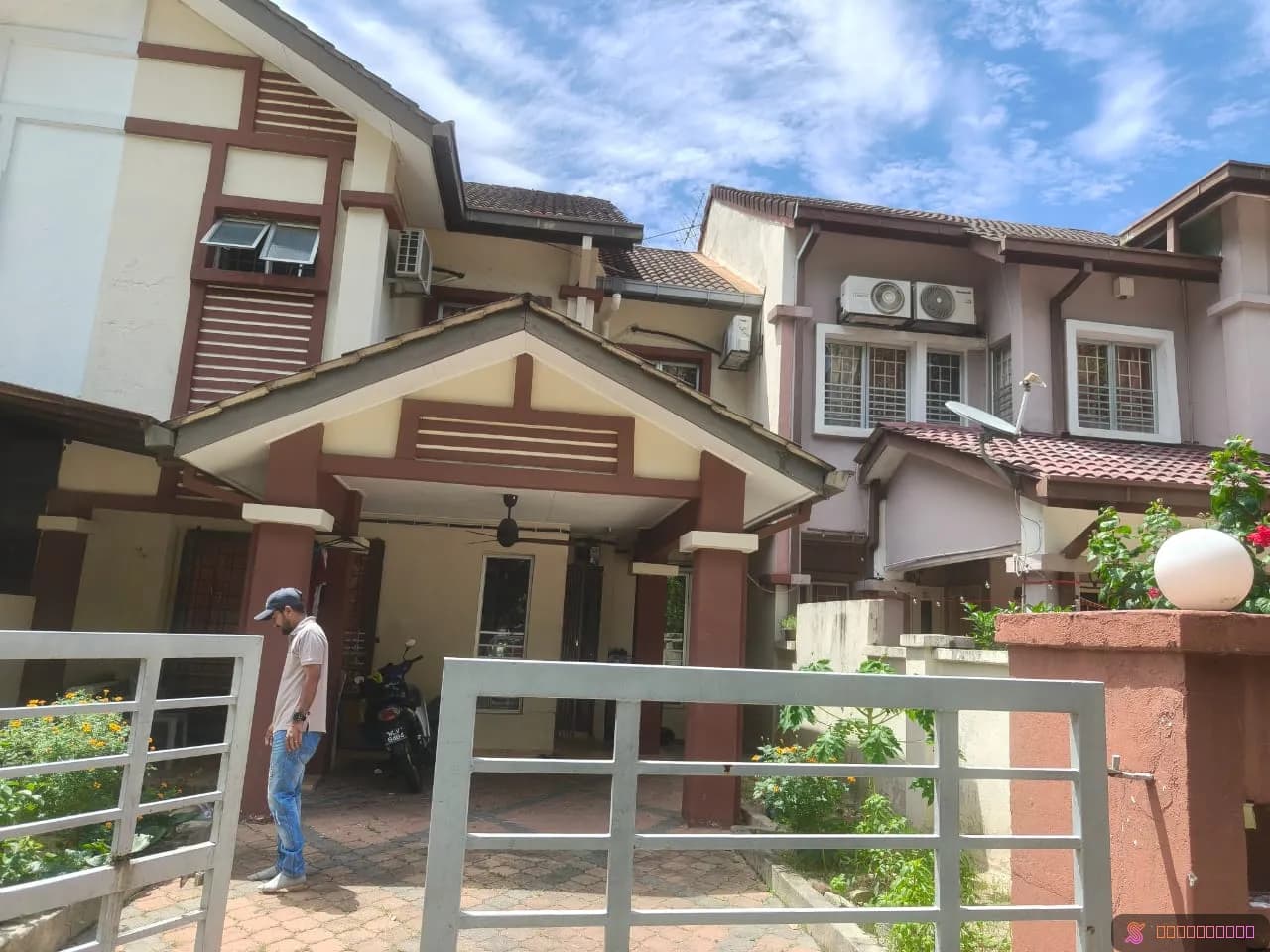
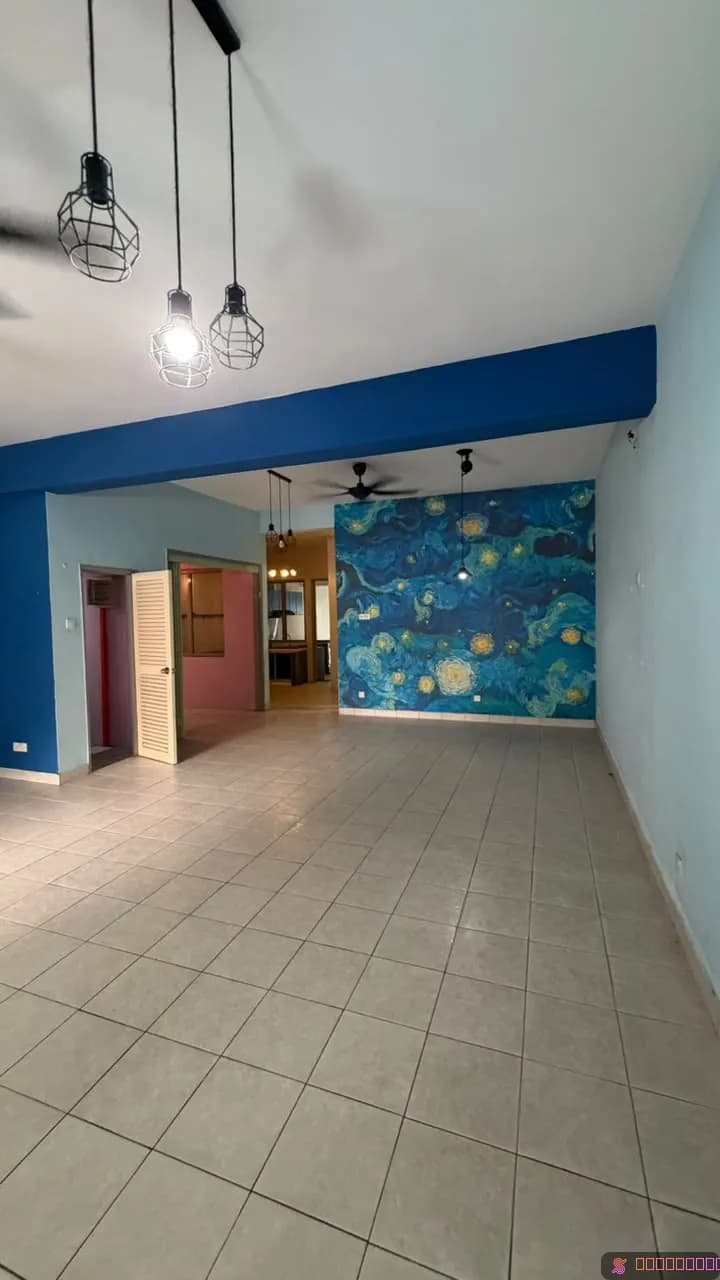
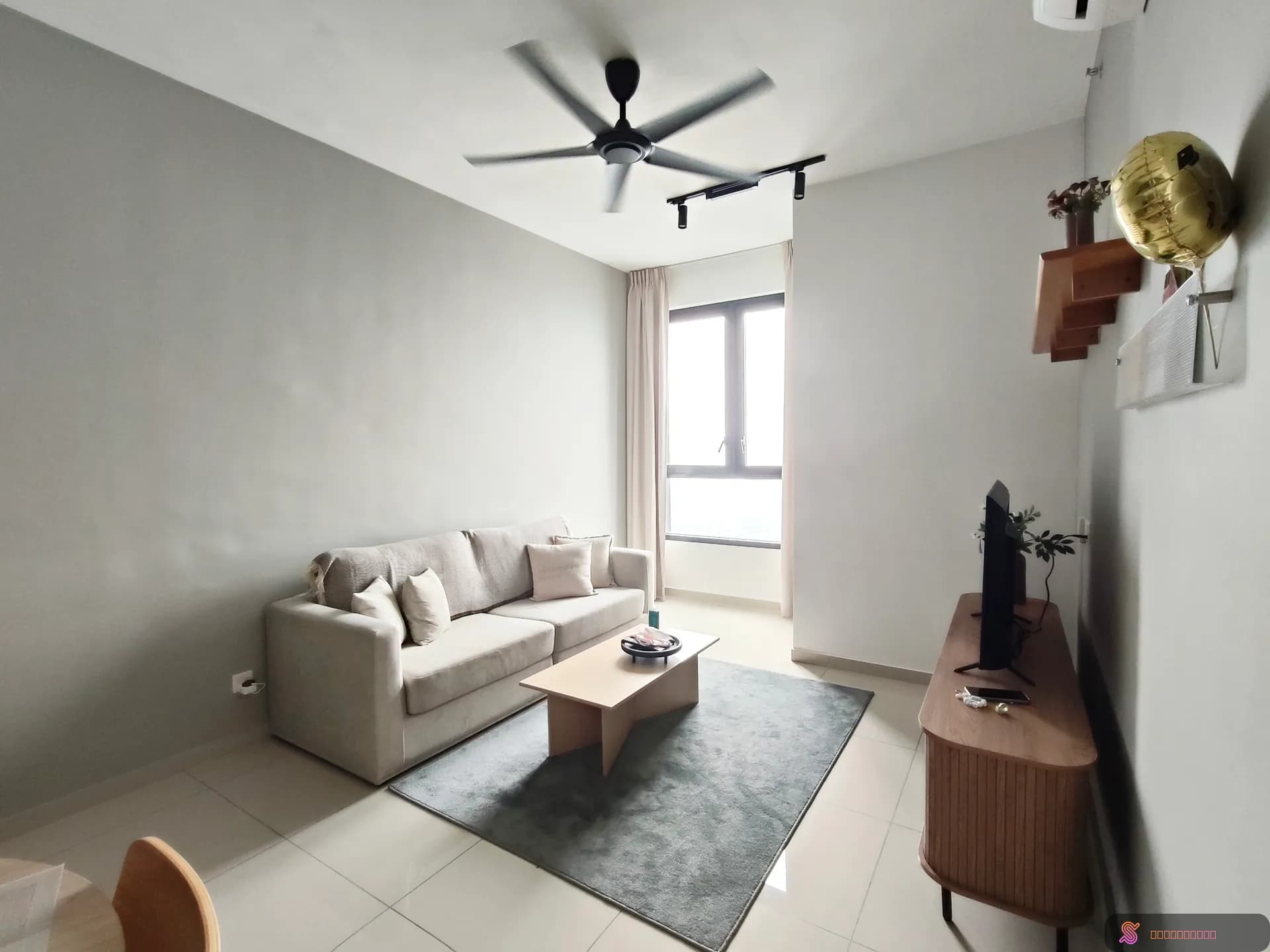
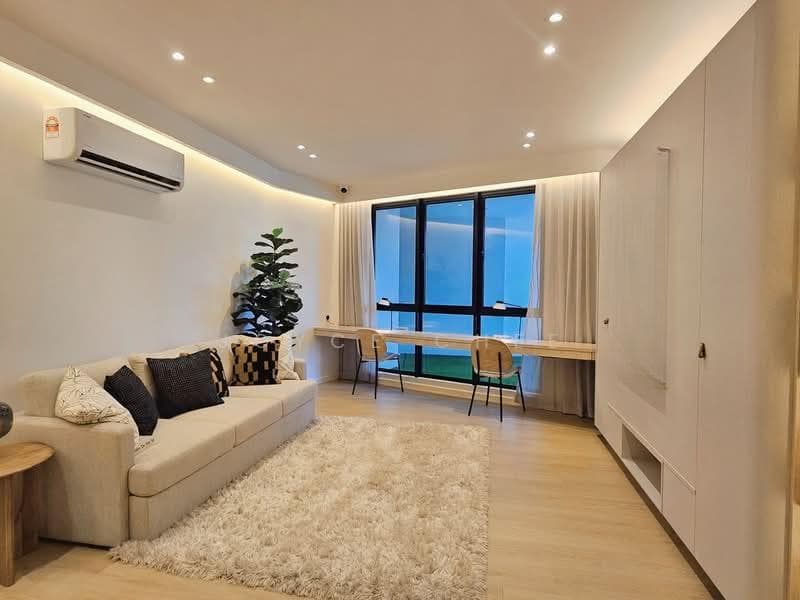
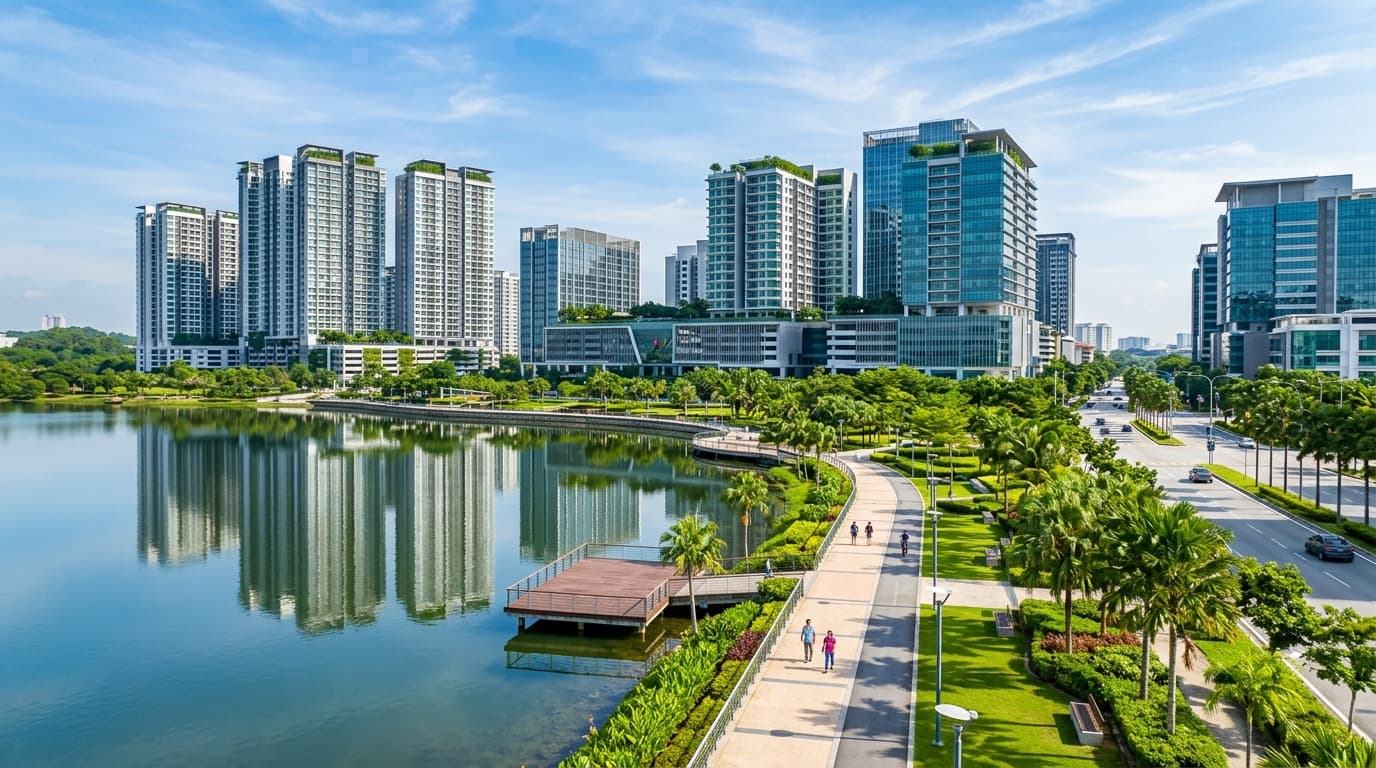
Affordable housing in the Klang Valley in 2026 means homes in the outer corridors and older city-fringe areas, plus government schemes such as PR1MA, Rumah Selangorku and Residensi MADANI. In SuperHomes data for January 2024 to September 2025, the median recorded home price was RM450,000 in Kapar (Klang), RM465,000 in Bandar Rawang and RM510,000 in Ijok (Puncak Alam).
The dream of homeownership in the Klang Valley—comprising Kuala Lumpur, Selangor, and Putrajaya—often feels out of reach due to escalating living costs and stagnant wage growth. However, contrary to the perception that property in this economic hub is exclusively for the wealthy, a vibrant market for affordable housing in Klang Valley exists. With the government’s target to build one million affordable homes under the 13th Malaysia Plan (2026–2035) and extended stamp duty waivers until 2027, the landscape for first-time buyers is improving.
This guide provides a comprehensive analysis of affordable property in Klang Valley, breaking down government schemes, financing options, and strategic locations to help first-time and budget-conscious buyers navigate the market.
What Qualifies as Affordable Housing in Klang Valley?
Before diving into specific projects, it is crucial to understand the economic definition of "affordable."
The 3.0 Median Multiple Rule
According to international standards often cited by Bank Negara Malaysia and the Khazanah Research Institute, a home is considered affordable if its price does not exceed three times the annual median household income. Based on household income data, the benchmark price for an affordable home in Malaysia is estimated to be around RM282,000.
The Housing Cost Burden (HCB) Approach
Another metric is the Housing Cost Burden (HCB) approach. This suggests that a household should not spend more than 30% of their monthly net income on housing costs, including utilities and loan repayments. For a household earning RM4,000, a maximum property price of RM250,000 is recommended to avoid financial strain.
In the context of government policy, affordable housing in Klang Valley is generally categorized as properties priced below RM300,000 for low-income groups, and up to RM500,000 for middle-income groups under specific financing schemes.
Types of Affordable Housing Options
Buyers in the Klang Valley generally have three categories of affordable housing to choose from: government-subsidized schemes, affordable private developments, and the secondary (subsale) market.
1. Government Housing Schemes
The Malaysian government and state agencies offer various schemes targeted at the B40 (Bottom 40%) and M40 (Middle 40%) income groups.
-
PR1MA (Perumahan Rakyat 1Malaysia):
- Designed for middle-income households in urban areas.
- Price Range: RM100,000 to RM400,000.
- Eligibility: Malaysians aged 21 and above with an individual or combined household income between RM2,500 and RM15,000. You must not own more than one property.
- Key Features: These are often high-quality developments in strategic locations like Brickfields and Bukit Jalil. PR1MA also offers a Rent-to-Own (RTO) scheme for those struggling with down payments, allowing applicants to rent for up to 5 years with an option to purchase.
-
Residensi Wilayah (formerly RUMAWIP) & Residensi MADANI:
- Targeting residents of the Federal Territories (Kuala Lumpur, Putrajaya, Labuan), this scheme is vital for those working in the city center.
- Price Range: RM63,000 to RM300,000.
- Residensi MADANI: A newer initiative offering units at RM150,000 (700 sq ft) to RM200,000 (800 sq ft) for households earning RM7,000 or less.
- Eligibility: Malaysians aged 21+ (18+ for some MADANI projects) born, residing, or working in the Federal Territories. Income caps are generally RM10,000 for singles and RM15,000 for married couples.
- Restriction: Owners cannot sell the unit within 10 years of purchase.
-
Rumah Selangorku (RSKU):
- This is the primary state housing scheme for Selangor.
- Price Range: RM42,000 to RM250,000 depending on the unit type (Types A, B, C, D, E).
- Eligibility: Selangor residents aged 18+ who do not own a property in the state. Household income limits range from RM3,000 (Type A) to RM14,500 (Type E).
- Rumah Idaman: An upgraded version of RSKU offering units with better specifications and fittings (like kitchen cabinets and air conditioning) for B40 and M40 groups.
-
Civil Servant Housing (PPAM):
- Targeted exclusively at civil servants, PPAM offers homes priced between RM90,000 and RM300,000. These are often located near government administrative centers.
2. Affordable Private Developments
Developers are increasingly launching "affordable" private projects to cater to the demand gap. While these may be priced slightly higher than government schemes (often RM300,000 to RM500,000), they offer fewer restrictions on resale and rental. However, data indicates that many private launches still skew towards the RM500,000–RM1,000,000 range, creating an oversupply of high-end units. Buyers should look for "transit-oriented developments" (TODs) aimed at the mass market in areas like Cheras and Kepong.
3. Subsale vs. New Projects
- New Projects: Often come with rebates, free legal fees, and modern facilities. However, they may be located in developing areas with less maturity.
- Subsale (Secondary Market): Older apartments and terrace houses in established areas like Salak Selatan or Pandan Indah can be found in the RM350,000–RM500,000 range. While they may require renovation, they offer immediate occupancy and established amenities.
Financial Eligibility and Funding Options
Securing a cheap house in Klang Valley is only the first step; financing it is the next hurdle. In 2025/2026, the government has strengthened support for buyers.
Housing Credit Guarantee Scheme (SJKP)
This is a game-changer for gig workers, freelancers, and independent business owners who lack fixed payslips.
- Financing: SJKP guarantees the housing loan, so under the SJKP MADANI variant a participating bank can finance up to 120% of the purchase price, capped at RM360,000. (Source: BSN's MyHome-i (SJKP-MADANI) FAQ, which sets the margin of financing at up to 120% of the purchase price and the maximum financing at RM360,000; checked 1 Oct 2026.)
- Coverage: This includes the principal amount, legal fees, valuation fees, insurance, and even renovation costs.
- Eligibility: First-time buyers with a monthly income of up to RM11,000.
- Learn more: Housing Credit Guarantee Scheme (SJKP) 2026 Guide
Stamp Duty Waivers (Budget 2026)
To reduce upfront costs, stamp duty exemptions for first-time homebuyers have been extended until the end of 2027. This includes:
- 100% exemption for homes priced up to RM500,000.
- 75% exemption for homes priced between RM500,001 and RM1 million.
- Read more: Malaysia Budget 2026 Property Incentives
My First Home Scheme (SRP) / i-Biaya
Although SRP has evolved, financing options under the i-Biaya initiative allow first-time buyers to obtain up to 110% financing, eliminating the need for a 10% down payment. This is available through participating banks for homes valued up to RM500,000.
Key Locations: Where are the Cheapest Houses?
Affordability in the Klang Valley is heavily dictated by location. A distinct trend shows that lower-priced homes are increasingly situated in the outskirts, connected by improving infrastructure.
SuperHomes Data: Recorded Home Prices by Corridor
The table shows recorded residential sales in the land-office mukim that covers each area named below, from January 2024 to September 2025.
| Corridor | Mukim (district) | Recorded sales | Median price | At or below RM300,000 | At or below RM500,000 |
|---|---|---|---|---|---|
| North | Rawang (Gombak) | 337 | RM490,000 | 8.6% | 54.3% |
| North | Bandar Rawang (Gombak) | 124 | RM465,000 | 21.8% | 67.7% |
| North | Ijok, covering Puncak Alam (Kuala Selangor) | 368 | RM510,000 | 8.4% | 49.7% |
| South | Semenyih (Hulu Langat) | 410 | RM559,000 | 6.6% | 45.1% |
| South | Bandar Baru Bangi (Hulu Langat) | 112 | RM590,000 | 6.3% | 28.6% |
| City fringe | Setapak (Kuala Lumpur) | 423 | RM570,000 | 15.4% | 42.8% |
| City fringe | Petaling, covering Salak Selatan (Kuala Lumpur) | 627 | RM730,000 | 11.8% | 30.0% |
| West | Kapar, covering Meru (Klang) | 761 | RM450,000 | 8.7% | 65.3% |
Source: SuperHomes analysis of JPPH-recorded residential transactions, January 2024 to September 2025, extracted 14 October 2026. Medians cover every recorded residential type in the mukim (terraces, semi-detached and detached houses, condominiums and flats).
Kapar and Bandar Rawang had the largest share of sales at or below RM500,000 (65.3% and 67.7%). In Bandar Baru Bangi and the Kuala Lumpur mukim of Petaling, fewer than a third of recorded sales were at or below that level, so the cheaper homes there are a smaller part of the market.
1. Northern Corridor: Rawang & Puncak Alam
- Why it's affordable: Land costs are cheaper, allowing for landed properties (terrace houses) to be sold between RM300,000 and RM500,000.
- Pros: Spacious living, newer townships, and improved connectivity via the DASH highway.
- Cons: Further from KL city center; commute times can be long.
2. Southern Corridor: Semenyih & Bangi
- Why it's affordable: These areas offer medium-density living and landed homes starting from RM240,000.
- Pros: Growing infrastructure and close to Putrajaya/Cyberjaya.
- Cons: Reliance on private transport is often necessary.
- Compare with: Condo vs Landed Property in Malaysia
3. City Fringe: Setapak & Salak Selatan
- Why it's affordable: These mature neighborhoods offer older flats, apartments, and new PR1MA projects. Prices range from RM250,000 to RM500,000. See current homes in Setapak.
- Pros: Excellent public transport (LRT/MRT), proximity to KL City Centre, and established amenities.
- Cons: Higher density, traffic congestion, and older building stocks.
4. Western Corridor: Klang & Shah Alam (Outskirts)
- Why it's affordable: Locations like Shah Alam 2 and Meru offer affordable landed options; see current homes in Shah Alam.
- Pros: Access to WCE (West Coast Expressway) is improving connectivity.
Challenges and Trade-offs
While opportunities exist, first-time buyer housing in Malaysia comes with challenges that must be managed realistically.
- Location Mismatch: There is often a mismatch between where affordable homes are built and where buyers want to live. Affordable units are frequently located 30km or more from the city center, which may deter buyers working in the CBD. Buyers must trade off a shorter commute for a lower price tag or accept a smaller unit (e.g., 650 sq ft) to live centrally.
- High Rejection Rates for Loans: Despite schemes like SJKP, financing remains a barrier. High existing household debt and insufficient documentation lead to loan rejections. Bank Negara reports that many applicants fail to pass affordability assessments due to low net disposable income.
- Supply-Demand Imbalance: There is a severe shortage of homes priced below RM250,000, which constitutes only a small percentage of new launches. Conversely, there is an overhang (oversupply) of serviced apartments priced between RM500,000 and RM1 million.
- Resale Restrictions: Government schemes like Residensi Wilayah and PR1MA often come with a 5 to 10-year moratorium on selling the property. This makes them unsuitable for investors looking for quick capital appreciation; they are strictly for own-stay buyers.
Practical Guidance for First-Time Buyers
If you are a budget-conscious buyer looking to secure a home in 2025/2026, follow these practical steps:
- Calculate Your Affordability: Stick to the 30% rule. If your household income is RM5,000, your monthly repayment should not exceed RM1,500. This places your property budget around RM300,000.
- Check Your Credit Score: Before applying, clear outstanding debts (CCRIS/CTOS) to improve your chances of loan approval.
- Leverage Government Schemes:
- If you have no fixed income, apply through SJKP.
- If you work in KL, register for Residensi Wilayah immediately.
- If you are a Selangor resident, apply for Rumah Selangorku via the LPHS website.
- Consider Rent-to-Own (RTO): If you cannot afford a 10% down payment, explore PR1MA’s RTO schemes or Maybank HouzKEY.
- Inspect Before You Buy: For subsale properties, hiring a professional inspector can save thousands in repair costs for structural or electrical issues.
- Be Willing to Compromise: You may not get a landed house next to KLCC. Consider a smaller apartment near an MRT line or a larger house in a suburb like Rawang.
Frequently Asked Questions (FAQ)
What is considered affordable housing in Klang Valley? In the context of government policy and economic data, affordable housing in the Klang Valley is typically defined as residential properties priced between RM100,000 and RM300,000 for low-to-middle income groups. The median benchmark for affordability based on household income is approximately RM282,000.
Which areas in Klang Valley have the cheapest houses? The cheapest houses are generally found in the outskirts and suburban corridors. Key locations include Rawang, Puncak Alam, and Semenyih, where landed properties are still available between RM300,000 and RM500,000. Closer to the city, Setapak and Salak Selatan offer affordable high-rise options and PR1MA projects.
Can first-time buyers afford housing in Klang Valley? Yes, first-time buyers can afford housing, provided they leverage specific government schemes. Initiatives like Residensi MADANI offer homes from RM150,000, and the Housing Credit Guarantee Scheme (SJKP) allows for financing up to 120%, removing the barrier of a high down payment.
What is the difference between Rumah Selangorku and Residensi Wilayah? Rumah Selangorku is a state government scheme for residents of Selangor with household incomes between RM3,000 and RM14,500. Residensi Wilayah (formerly RUMAWIP) is a federal scheme for those living or working in the Federal Territories (KL, Putrajaya, Labuan) with a household income cap of RM15,000.
Is it better to buy a new project or a subsale house for affordability? New projects often offer financial incentives like rebates, free legal fees, and stamp duty waivers, requiring less upfront cash. However, subsale houses in older areas (like Cheras or Ampang) may offer lower prices per square foot and established amenities, though they may require cash for renovations and down payments.